
Key Takeaways
-
Fertilize warm-season Florida grasses like Bermuda and St. Augustine in late spring through summer when actively growing; apply 2-6 pounds of nitrogen per 1,000 sq ft annually depending on maintenance level.
-
Apply fertilizer only in mild conditions (50-85°F mornings) with no heavy rain forecast for 24 hours, and water lightly before and after application to prevent lawn burn and maximize nutrient absorption.
-
Always conduct a soil test first to determine exact nutrient deficiencies, then use slow-release fertilizers (like 29-0-4) for routine maintenance to avoid burning grass and reduce runoff risk.
-
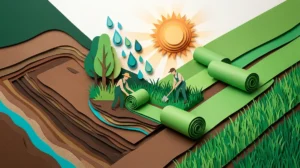
For new lawns or sod, use starter fertilizers with high phosphorus ratios (18-24-6 or 18-24-12) applied immediately after sowing or 2-3 weeks after laying sod for stronger root establishment.
-
Apply fertilizer immediately after aeration to allow nutrients to penetrate deeper into soil through the holes created, significantly improving results when combined with overseeding.
-
Mulch grass clippings instead of bagging to return approximately 1 pound of nitrogen per 1,000 sq ft annually free, and consider organic fertilizers to reduce chemical runoff into Florida waterways.
Your lawn is trying to tell you something. When it looks dull, patchy, or slow to grow, it usually means one thing — it needs proper nutrition. Lawn fertilizing is one of the most important steps in keeping your yard green, thick, and healthy. But timing and technique matter more than most people realize.
If you live in Riverview, Florida or anywhere in Hillsborough County, you already know that Florida’s heat and humidity create unique challenges. The right fertilizing approach can make a huge difference in how your lawn looks and feels year-round.
Whether you’re a busy homeowner, a new property buyer, or managing a commercial space, this guide will walk you through everything you need to know about lawn fertilizing. Let’s dig in!
Why Lawn Fertilizing Matters So Much
Grass needs nutrients to grow. Just like people need food, your lawn needs a steady supply of key elements — especially nitrogen, phosphorus, and potassium (commonly called NPK). Without them, grass becomes weak and vulnerable.
A well-fertilized lawn doesn’t just look better — it performs better too. It resists weeds, recovers from foot traffic faster, and handles Florida’s intense summer heat more easily. Our Fertilizing Services are designed to give your grass exactly what it needs, when it needs it.
Here’s a quick look at what each nutrient does for your lawn:
| Nutrient | Role in Lawn Health | Deficiency Signs |
|---|---|---|
| Nitrogen (N) | Promotes green, leafy growth | Yellowing, slow growth |
| Phosphorus (P) | Supports root development | Purple tinge, poor rooting |
| Potassium (K) | Strengthens disease resistance | Brown leaf edges, weak grass |

The Best Time to Fertilize Your Lawn
Timing is everything when it comes to lawn fertilizing. Apply at the wrong time, and you could waste product or even damage your grass. The golden rule is to fertilize when your grass is actively growing.
In Florida, most lawns feature warm-season grasses like Bermuda, Zoysia, or St. Augustine. These grasses grow actively in late spring and summer. Cool-season grasses like Kentucky bluegrass and ryegrass prefer spring and fall applications.
Ideal Conditions for Fertilizing
- Morning temperatures between 50°F and 85°F
- No heavy rain in the forecast for at least 24 hours
- Lawn recently mowed and not drought-stressed
- Avoid hot, windy days that can cause product drift
- Grass should be actively growing, not dormant
Applying fertilizer in extreme heat or before a heavy rainstorm can lead to runoff or lawn burn. Our team at AQ Total Lawn Service monitors local weather and conditions carefully before every application.
Warm-Season vs Cool-Season Fertilizing Schedules
Florida homeowners in Riverview deal mostly with warm-season grasses. But it’s helpful to understand both types so you can make the best choices for your lawn.
| Grass Type | Best Fertilizing Season | Nitrogen Needed (per 1,000 sq ft/yr) |
|---|---|---|
| Bermuda | Late spring through summer | 2–6 pounds |
| Zoysia | Late spring through summer | 2–4 pounds |
| St. Augustine | Spring through early fall | 2–4 pounds |
| Kentucky Bluegrass | Spring and fall | 1–2 pounds |
| Ryegrass | Spring and fall | 1–2 pounds |
Most southern lawns need between 2 and 6 pounds of nitrogen per 1,000 square feet annually depending on how lush you want your lawn. Low-maintenance yards fall closer to 2–4 pounds, while high-maintenance lawns may need up to 6 pounds.

How Much Fertilizer Does Your Lawn Actually Need?
One of the most common questions homeowners ask is about quantity. Too little and your lawn won’t improve. Too much and you risk burning your grass. Getting the amount right is a skill that comes with experience.
Here are some helpful guidelines to follow:
- Cool-season grasses in early spring: Apply approximately 1 pound of nitrogen per 1,000 square feet.
- Warm-season southern lawns: Aim for 2–4 pounds of nitrogen per 1,000 square feet for low-maintenance care, or 4–6 pounds for premium results.
- New lawns or freshly laid sod: Use starter fertilizers with higher phosphorus content (like 18-24-6 or 18-24-12), as new grass needs 2–3 times more phosphorus than mature lawns.
A soil test is always the smartest first step. It tells you exactly what nutrients your lawn already has, so you only add what’s missing. Our professional lawn care services include tailored recommendations based on your specific yard.
Starter Fertilizers for New Lawns and Sod
Are you a new homeowner looking to establish a beautiful lawn? Or did you recently have sod installed? If so, starter fertilizers are your best friend. These products are specially formulated to help young grass take root quickly and grow strong from day one.
Look for NPK ratios like 18-24-6 or 18-24-12. The high middle number (phosphorus) is what makes these products ideal for establishing roots. Apply starter fertilizer immediately after sowing seed or 2–3 weeks after laying sod. Our Landscaping Services include sod installation and proper post-installation fertilizing to give your new lawn the strongest possible start.
Slow-Release vs Fast-Release Fertilizers
Not all fertilizers work the same way. Understanding the difference between slow-release and fast-release products can save your lawn from common mistakes.
| Feature | Slow-Release Fertilizer | Fast-Release Fertilizer |
|---|---|---|
| Nutrient delivery | Gradual over 6–8 weeks | Immediate |
| Burn risk | Low | Higher if over-applied |
| Runoff risk | Minimal | Higher |
| Best use | Routine maintenance and fall applications | Quick green-up in spring |
| Example NPK | 29-0-4 or 12-0-24 | Various quick-release blends |
Slow-release fertilizers like 29-0-4 are great for routine lawn maintenance. For fall applications focused on winter hardiness, products with higher potassium like 12-0-24 are ideal for strengthening roots before cooler months arrive.
Step-by-Step Guide to Proper Fertilizer Application
Applying fertilizer correctly is just as important as choosing the right product. A careless application can result in uneven growth, lawn burn, or wasted money. Here’s how the pros do it:
- Test your soil first. Know your nutrient levels and pH before choosing a product.
- Mow your lawn. Cut your grass a day or two before applying fertilizer.
- Water lightly beforehand. Moisten the soil 1–2 days before application to prepare it for nutrients.
- Use a calibrated spreader. This ensures even coverage across your entire lawn.
- Apply in the right conditions. Choose a mild morning with no rain in the forecast.
- Water after application. A light watering helps dissolve the fertilizer and push nutrients into the soil.
If aeration has recently been done, apply fertilizer right afterward. The holes created during aeration allow nutrients to penetrate deeper into the soil, improving results significantly.
Organic Fertilizers and Eco-Friendly Options
Many homeowners in Hillsborough County are becoming more eco-conscious. Organic fertilizers are a great option if you want to feed your lawn while protecting the environment. They release nutrients slowly, reduce the risk of nutrient leaching, and support long-term soil health.
One simple eco-friendly tip is to mulch your grass clippings instead of bagging them. This practice returns approximately 1 pound of nitrogen per 1,000 square feet back to your lawn each year — completely free of charge! It’s one of the easiest things you can do for a greener, healthier yard.
- Organic fertilizers improve soil microbial activity
- They reduce the risk of chemical runoff into waterways
- Nutrients are released gradually, preventing lawn burn
- Great for households with kids and pets playing on the lawn
- Supports long-term lawn sustainability
Combining Fertilizing with Aeration and Overseeding
For the very best results, lawn fertilizing works beautifully alongside aeration and overseeding. Aeration loosens compacted soil so air, water, and nutrients can reach the roots more easily. Overseeding fills in thin or bare patches with fresh grass seed.
A standard overseeding rate is 4–8 pounds of seed per 1,000 square feet. After aerating and overseeding, applying fertilizer gives new seeds the nutrients they need to germinate and establish strong roots quickly. Think of it as a three-part recipe for a stunning lawn transformation.
Curious what a professional approach looks like? Read what our happy customers say about how their lawns have transformed with the right care plan.
Common Lawn Fertilizing Mistakes to Avoid
Even well-meaning homeowners can make mistakes that hurt their lawns. Here are the most common ones to watch out for:
- Over-fertilizing: Too much nitrogen can burn grass and cause rapid, weak growth
- Fertilizing dormant grass: Nutrients won’t be absorbed and will likely wash away
- Skipping the soil test: You might be adding nutrients your lawn already has too much of
- Applying before heavy rain: Nutrients wash off before the grass can absorb them
- Uneven application: Leads to striping or patchy growth patterns
Avoiding these mistakes is much easier when you work with experienced professionals. Learn more about our team and why over 15 years of experience makes a real difference for lawns across Hillsborough County.
When to Call a Professional Lawn Care Service
Sometimes a DIY approach just doesn’t cut it. If your lawn has persistent bare patches, yellowing that won’t go away, or weed problems despite regular care, it’s time to bring in the experts. Professional lawn fertilizing services remove the guesswork and deliver consistent, beautiful results.
At AQ Total Lawn Service, we’ve spent over 15 years helping homeowners and commercial property managers across Riverview, Brandon, Apollo Beach, and all of Hillsborough County achieve stunning lawns. We tailor every fertilizing plan to your grass type, season, and soil conditions.
If you’re also interested in keeping your entire property looking its best, don’t miss our Power Washing Services to complement your freshly fertilized lawn. And if you have a pool area that needs attention too, Visit Panther Pools for expert pool care that pairs perfectly with a beautiful outdoor space.
You can also check out our profile and customer reviews when you visit us on Google to see what your neighbors are saying about our work.
Make Your Lawn the Best on the Block
Lawn fertilizing doesn’t have to be complicated or stressful. With the right timing, the right products, and the right application technique, your lawn can look lush and healthy all year long. Florida’s warm climate actually gives your grass a longer growing season — which means more opportunities to keep it thriving.
Whether you need a one-time fertilizing treatment or a year-round lawn care plan, our friendly team is ready to help. We serve busy families, elderly homeowners, new buyers, and commercial properties across Hillsborough County with the same level of care and attention to detail.
Don’t wait for your lawn to look its worst before taking action. Reach out to our team today to get started with a customized fertilizing plan, or give us a ring directly at call us for a free estimate at (813) 843-3979. We’d love to help your lawn reach its full potential!
FAQs
Q: What is the best time to fertilize a warm-season lawn in Florida?
A: Great question! For warm-season grasses like Bermuda, Zoysia, and St. Augustine — which are super common in Hillsborough County — the best time to fertilize is from late spring through summer when the grass is actively growing. Avoid fertilizing during dormancy or in extreme heat for the best results.
Q: How much fertilizer do I need per 1,000 square feet of lawn?
A: It depends on your grass type and goals! Cool-season grasses generally need about 1 pound of nitrogen per 1,000 square feet in early spring. Southern warm-season lawns may need anywhere from 2 to 6 pounds of nitrogen per 1,000 square feet annually. When in doubt, a soil test takes all the guesswork out of it.
Q: What are slow-release fertilizers and why should I use them?
A: Slow-release fertilizers deliver nutrients gradually over 6 to 8 weeks, which means your grass gets a steady diet instead of one big meal all at once. They’re gentler on your lawn, reduce the risk of burning, and minimize nutrient runoff — making them a fantastic choice for routine maintenance and fall applications.
Q: Should I fertilize before or after aeration?
A: After is the way to go! Aerating your lawn first creates small openings in the soil that allow fertilizer to penetrate deeper and reach the root zone more effectively. Combining aeration with fertilizing — and even overseeding — is one of the most powerful things you can do for a lush, healthy lawn.
Q: Can I use organic fertilizers on my Florida lawn?
A: Absolutely, and we love the enthusiasm for going green! Organic fertilizers release nutrients slowly, support healthy soil biology, and reduce the risk of chemical runoff — which is especially important near Florida’s waterways. They’re also safer for kids and pets who love playing on the lawn.