Key Takeaways
-
Never remove more than one-third of grass blade per mow and follow seasonal schedules: weekly in spring, every 1-2 weeks in summer, every 2 weeks in fall, and monthly in winter to avoid stressing turf.
-
Water early morning before 10 a.m. (not evening or midday) using the cycle-and-soak method with 1 inch total per week to promote deep root growth and prevent fungal disease.
-
Conduct soil tests first to determine pH and nutrient levels, then apply tailored fertilizers; aerate in late spring/summer and dethatch in spring (March-May) followed by fertilization for maximum nutrient absorption.
-
Use sharp mower blades and maintain clean edges along driveways and sidewalks; trim overhanging trees to ensure sunlight reaches grass and improve overall curb appeal.
-
Implement a proactive, year-round weed and pest control schedule with scheduled treatments rather than waiting for problems to escalate, avoiding herbicide application during extreme heat.
-
Consider professional lawn care services for soil testing, fertilization, aeration, weed control, and edging—especially if juggling competing priorities, as DIY approaches often cost more time and money.
Your lawn should be your pride and joy — not a source of stress. But even the most well-meaning homeowners in Riverview, Florida make lawn care mistakes that quietly damage their grass over time. The good news? Most of these mistakes are completely avoidable once you know what to look for.
Whether you’re a busy professional squeezing yard work into your weekends, a new homeowner figuring things out for the first time, or someone who simply wants a greener, healthier lawn — this guide is for you. We’re breaking down the seven most common lawn maintenance mistakes Florida homeowners make, and exactly how to fix them. Let’s give your yard the love it deserves!
Mistake #1: Mowing Too Short or Too Often
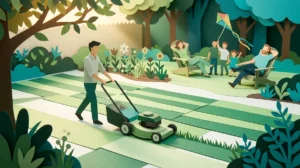
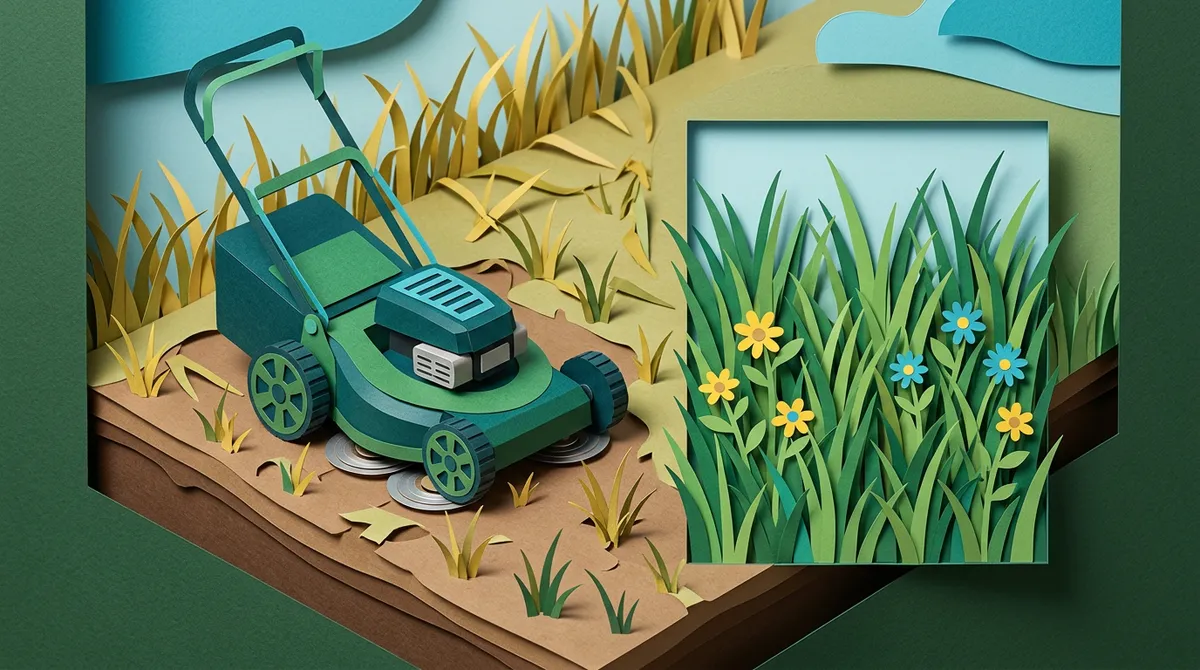
This is one of the most widespread lawn maintenance mistakes out there. It’s tempting to cut grass super short so you don’t have to mow as often — but this actually stresses your turf and weakens the root system. Scalping your lawn makes it vulnerable to weeds, pests, and disease.
Here’s a simple seasonal mowing schedule to follow for Florida lawns:
| Season | Mowing Frequency | Why It Matters |
|---|---|---|
| Spring | Weekly | Active growth phase requires regular cutting |
| Summer | Every 1–2 weeks | Heat and rain cause variable growth rates |
| Fall | Every 2 weeks | Growth slows as temperatures drop |
| Winter | Monthly | Dormant grass needs minimal cutting |
Always follow the one-third rule: never remove more than one-third of the grass blade in a single mow. This keeps your lawn looking lush while protecting root health. A well-maintained lawn mower with sharp blades also makes a huge difference — dull blades tear grass instead of cutting it cleanly.
Mistake #2: Watering at the Wrong Time
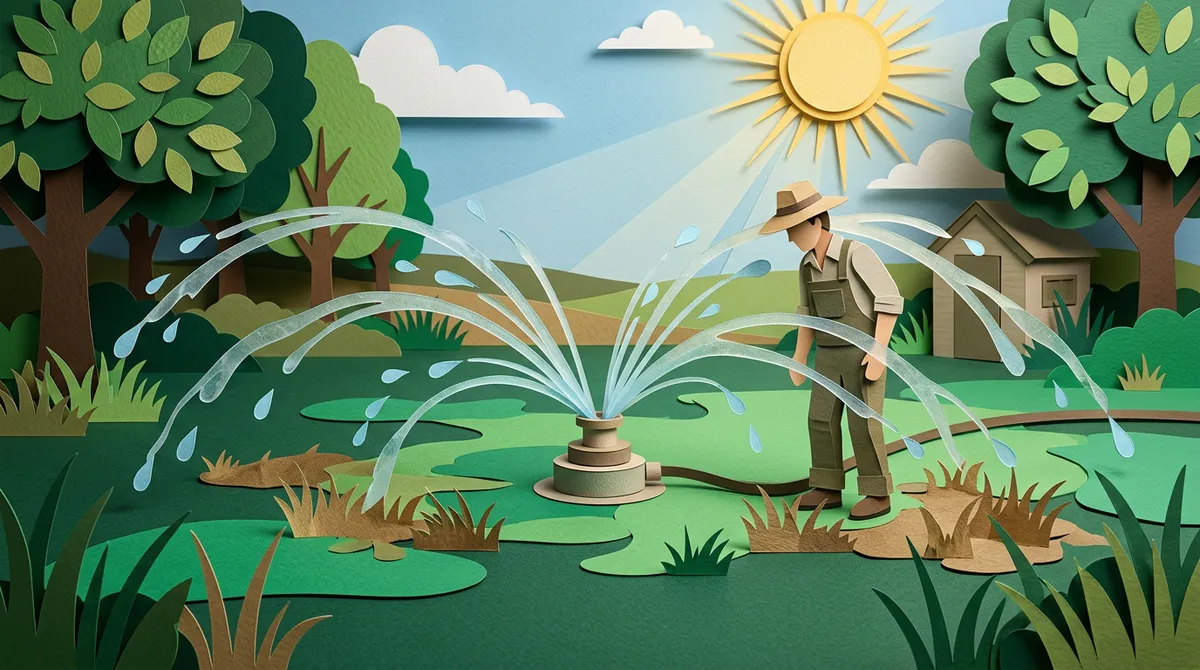
Watering your lawn seems simple, but timing and technique matter more than most people realize. Watering in the evening or at midday are both problematic. Evening watering leaves grass wet overnight, which encourages fungal disease. Midday watering evaporates too quickly to be effective.
The best time to water is early in the morning, before 10 a.m. This gives grass time to absorb moisture before the Florida heat kicks in. Here are the key watering guidelines every homeowner should follow:
- Water deeply and infrequently — about 1 inch per week total
- From April to September, water 25–30 minutes deeply once or twice per week
- In spring, apply about ½ inch of water per zone, no more than twice per week
- Skip irrigation entirely if your yard received over 1 inch of rainfall that week
- Use the cycle-and-soak method to promote deep root growth
- Consider drip irrigation systems, which can save up to 30% more water compared to traditional sprinklers
The cycle-and-soak method means running your sprinklers in shorter cycles with rest periods in between. This allows water to soak deeply into the soil instead of running off. Smart irrigation systems make this even easier to manage in 2026!
Mistake #3: Skipping Aeration and Dethatching
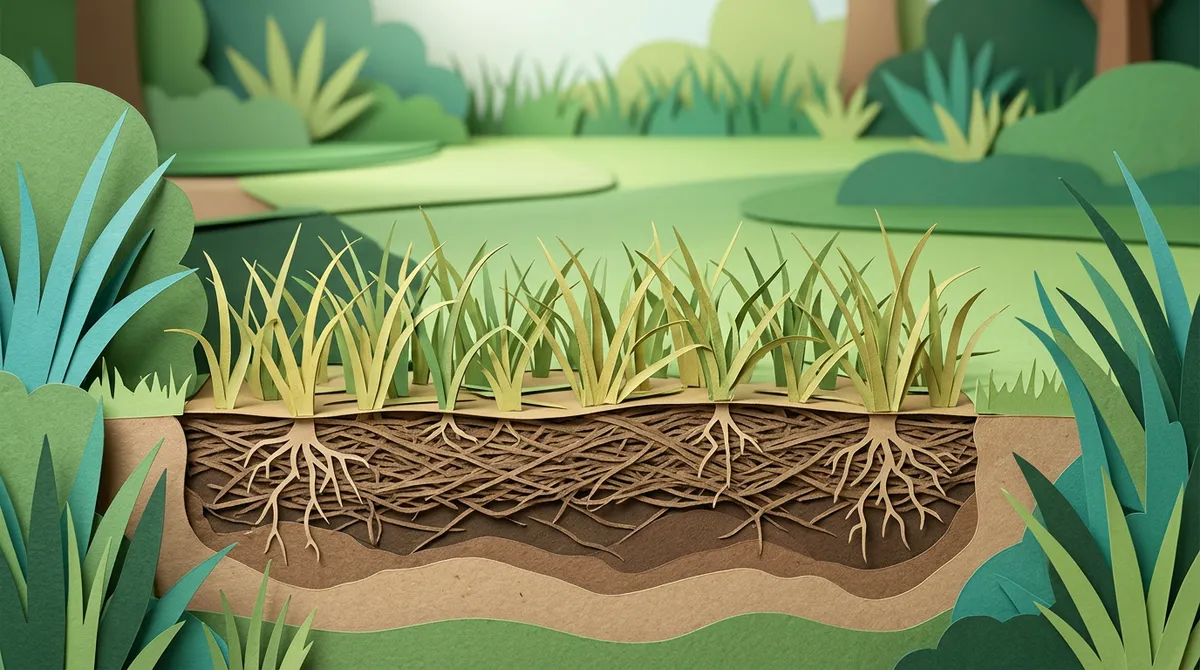
Most homeowners never think about aerating or dethatching their lawn — and that’s a big mistake. Over time, soil becomes compacted and a layer of dead grass (called thatch) builds up. Both of these issues block water, air, and nutrients from reaching your grass roots.
Here’s what you need to know:
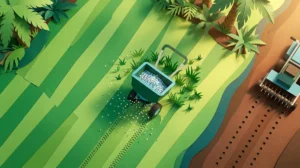
- Aerate in late spring or summer — this relieves soil compaction and allows air, water, and nutrients to penetrate deeper into the root zone, making your lawn significantly stronger and more resilient.
- Dethatch annually in spring (March through May) — removing that built-up layer of dead material helps reduce weed growth and prevents disease from taking hold in your lawn.
- Follow up with fertilization — after aerating or dethatching, your lawn is primed to absorb nutrients, making it the perfect time to apply a quality fertilizer for maximum impact.
If you’re not sure whether your lawn needs aeration, try this simple test: push a screwdriver into the ground. If it’s hard to push in more than 2 inches, your soil is likely compacted and needs aeration. Our professional lawn care services include aeration to keep your yard healthy year-round.
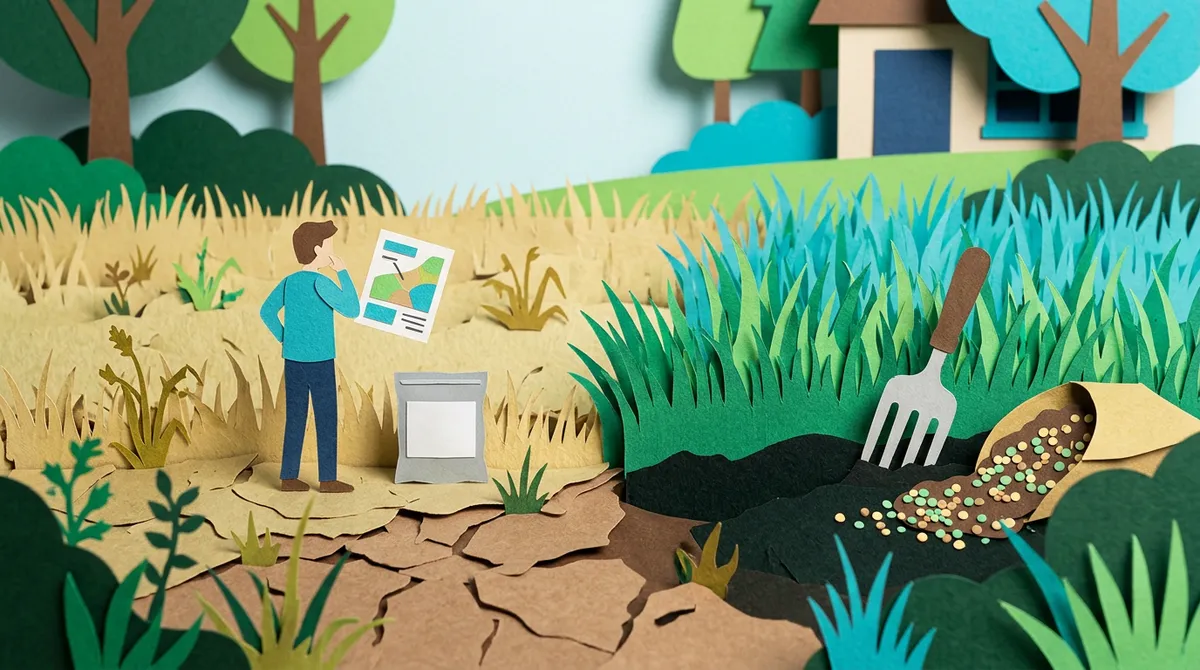
Mistake #4: Ignoring Soil Health and Fertilization
You can mow, water, and weed all you want — but if your soil is unhealthy, your lawn will always struggle. Many homeowners skip soil testing entirely, which means they’re guessing when it comes to fertilization. That’s like trying to cook without tasting the food!
| Nutrient/Factor | Ideal Range for Florida Lawns | Effect When Deficient |
|---|---|---|
| Soil pH | 6.0 – 7.0 | Nutrient lockout, yellowing grass |
| Nitrogen (N) | Moderate to high | Pale, slow-growing turf |
| Phosphorus (P) | Moderate | Weak root development |
| Potassium (K) | Moderate to high | Poor drought and disease resistance |
Conduct a soil test first, then apply tailored fertilizers based on the results. Organic fertilizers are a great choice — they release nutrients slowly and are much more eco-friendly. Our fertilizing services take the guesswork out of this process completely. We test, plan, and apply — so you get greener grass without the hassle.
Mistake #5: Poor Weed and Pest Control Practices
Waiting until weeds and pests have taken over is a reactive approach that costs you more time, money, and stress in the long run. The smartest lawn maintenance strategy is prevention first, treatment second.
Here are the most common weed and pest control mistakes to avoid:
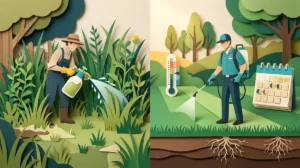
- Applying weed killer during extreme heat, which can burn your lawn
- Using the wrong herbicide type (pre-emergent vs. post-emergent) for the situation
- Ignoring early signs of pest damage like brown patches or thinning areas
- Over-applying pesticides, which can harm beneficial insects and soil microbes
- Skipping treatments during fall and winter, when pests can still be active in Florida
A proactive lawn care plan — including scheduled weed control and insect management throughout the year — keeps these problems from spiraling out of control. If you’re tired of fighting a losing battle against weeds, reach out to our team and we’ll set up a customized treatment plan just for your property.
Mistake #6: Neglecting Trees, Edges, and Curb Appeal
A beautifully mowed lawn can still look unkempt if the edges are ragged and the trees overhead are overgrown. Lawn maintenance isn’t just about the grass — it’s about the whole picture. Edging along driveways, sidewalks, and garden beds gives your yard that crisp, polished look that turns heads in the neighborhood.
Here’s a quick checklist for full-yard curb appeal maintenance:
- Edge regularly — clean lines along pathways and borders make a massive visual difference and take minimal time when done consistently.
- Trim trees and shrubs — overgrown limbs block sunlight and can create shady patches where grass struggles to grow; our landscaping services handle this professionally.
- Power wash hard surfaces — driveways, patios, and sidewalks can make or break your property’s appearance; our power washing services restore that fresh, clean look.
- Add seasonal color — annual flowers and mulch installations add personality and life to your landscape throughout the year.
For commercial property managers and HOA communities across Hillsborough County, this level of detail isn’t optional — it’s essential for maintaining professional appearances and property values.
Mistake #7: Trying to Do Everything Yourself
We love the DIY spirit — truly! But there comes a point where trying to handle every aspect of lawn maintenance on your own starts costing more than it saves. Between buying equipment, spending your weekends outdoors in Florida heat, and still not getting the results you want — it can feel pretty discouraging.
| Task | DIY Challenges | Professional Advantage |
|---|---|---|
| Fertilization | Easy to over or under-apply | Soil-tested, precise applications |
| Weed Control | Wrong products damage lawn | Right herbicide for the right weed |
| Aeration | Equipment rental is costly | Efficient and scheduled regularly |
| Tree Trimming | Safety risks, improper cuts | Safe, expert technique every time |
| Sod Installation | Difficult without experience | Proper prep for long-term success |
This is especially true for busy homeowners aged 30–50 juggling careers and family life, elderly homeowners with physical limitations, and new home buyers who need a yard established from scratch. Professional help isn’t a luxury — it’s a smart investment.
AQ Total Lawn Service has served Hillsborough County for over 15 years, offering everything from routine mowing and edging to sod installation, tree trimming, and power washing. We’re not just a lawn crew — we’re your partner in making your property look its absolute best. See what our happy customers have to say and find out why so many homeowners trust us season after season.
How to Build a Smarter Lawn Maintenance Plan in 2026
Now that you know what NOT to do, let’s talk about how to do it right. A well-structured lawn care plan removes the guesswork and keeps your yard looking great through every season of the year.
Here are the key steps to building your 2026 lawn care plan:
- Start with a soil test in early spring — know your pH levels and nutrient gaps before you apply anything to your lawn.
- Set a seasonal mowing schedule — weekly in spring, every 1–2 weeks in summer, and monthly in winter to avoid stressing dormant grass.
- Plan your irrigation around rainfall — use smart tech or simple rain gauges to avoid over-watering, and incorporate native plants where possible to save up to 30% more water.
- Schedule aeration and dethatching — late spring for aeration, March through May for dethatching, then follow up with fertilization.
- Put weed and pest control on a calendar — proactive, scheduled treatments are always more effective than reactive ones.
- Include trimming, edging, and power washing — full-property maintenance keeps curb appeal consistent throughout the year.
Can’t manage all of this on your own? That’s exactly what we’re here for. Learn more about our team and how we craft customized lawn maintenance plans for properties of every size across communities like Apollo Beach, Brandon, Fish Hawk, Riverview, Ruskin, and beyond.
Your Yard Deserves Better — Let’s Make It Happen
Avoiding these seven lawn maintenance mistakes can transform a struggling yard into the envy of the neighborhood. From smarter mowing habits and proper watering techniques to professional fertilization and weed control, every step you take in the right direction adds up to a healthier, more beautiful lawn.
The University of Florida’s IFAS Extension also offers excellent regional guidance on Florida-specific lawn care practices that complement professional services perfectly. And if you want to see the real-world results our team delivers, visit us on Google to browse our reviews and see what your neighbors are saying.
Ready to stop making costly mistakes and start enjoying a lawn you’re proud of? Get in touch with our team today or call us for a free estimate at (813) 843-3979. We’d love to become your trusted lawn care partner in 2026 and beyond!
FAQs
Q: How often should I mow my lawn in Florida throughout the year?
A: Great question! In Florida, you’ll want to mow weekly during spring when growth is most active, every 1–2 weeks during summer, and drop back to monthly during winter when grass goes dormant. Following this schedule keeps your lawn healthy without putting unnecessary stress on the turf.
Q: What is the cycle-and-soak method for watering my lawn?
A: The cycle-and-soak method means running your sprinklers in shorter cycles with rest periods in between — rather than one long session. This gives water time to soak deeply into the soil instead of running off, promoting stronger, deeper root growth. It’s one of the smartest watering habits you can build!
Q: When is the best time to aerate and dethatch a Florida lawn?
A: For most Florida lawns, late spring or early summer is ideal for aeration, and spring (March through May) is the sweet spot for dethatching. Both practices open up your soil and remove barriers so water, air, and nutrients can reach the roots more effectively — especially important after our heavy Florida rains.
Q: How do I know if my lawn needs professional lawn maintenance services?
A: If you’re noticing persistent brown patches, weed takeover, thinning grass, or you simply don’t have the time to keep up with mowing, edging, and fertilizing — it’s a great sign to bring in the pros. A professional lawn care team can assess your yard’s needs and create a customized plan that delivers real, lasting results.
Q: Are organic fertilizers better for my Florida lawn?
A: Organic fertilizers are a wonderful choice for Florida lawns! They release nutrients slowly and steadily, which reduces the risk of over-fertilizing and is much gentler on the environment. After a soil test tells you exactly what your lawn is missing, organic fertilizers can be tailored to fill those gaps in the most eco-friendly way possible.