Key Takeaways
-
Test your soil before fertilizing to identify nutrient deficiencies and avoid wasting money on wrong products; many Hillsborough County extension offices offer affordable testing services.
-
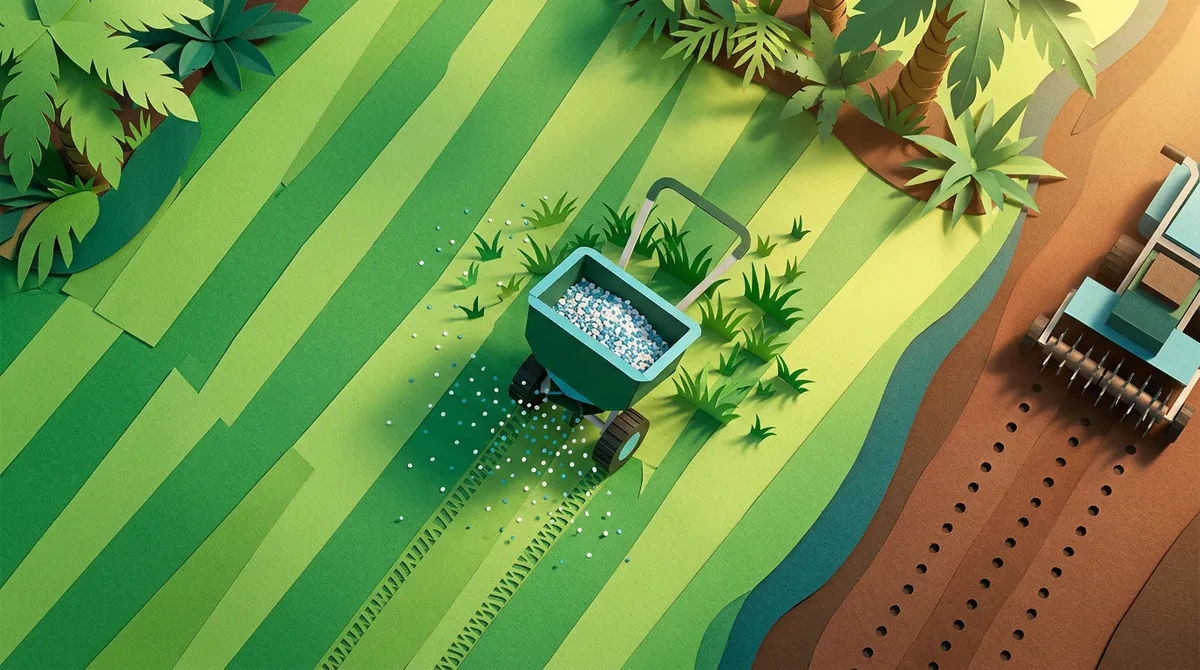
Apply granular fertilizer to dry grass using a calibrated spreader in two perpendicular directions to prevent patchy growth and fertilizer burn on wet grass.
-
Fertilize warm-season Florida grasses during active growth (May, July, September) and split large applications into two half-doses a few weeks apart for better nutrient absorption and reduced burn risk.
-
Know your grass type (St. Augustine, Bermuda, Zoysia, etc.) since each requires different N-P-K ratios; use high-nitrogen formulas like 24-0-6 for St. Augustine during summer heat.
-
Aerate your lawn before fertilizing to break up compacted soil and allow nutrients to reach the root zone, especially important for Florida's clay-heavy or sandy soils.
-
Watch for fertilizer burn signs (yellow/brown streaks, scorched tips, wilting) and water deeply immediately if over-application occurs; avoid fertilizing during extreme heat or before heavy rain.
There is nothing quite like stepping outside and seeing a thick, green lawn stretching across your yard. For homeowners in Riverview, Florida and across Hillsborough County, a beautiful lawn is something to be proud of. But that kind of beauty does not happen by accident. Grass fertilization is one of the most important steps you can take to keep your turf healthy, vibrant, and strong all year long.
Whether you are a busy parent juggling work and family, a new homeowner figuring out your first yard, or a property manager keeping a commercial space looking sharp, understanding how to fertilize your grass makes a real difference. In this guide, we are sharing 14 practical, easy-to-follow tips that will help you get the most out of every fertilizer application. Let us dive in!
Why Grass Fertilization Matters for Florida Lawns
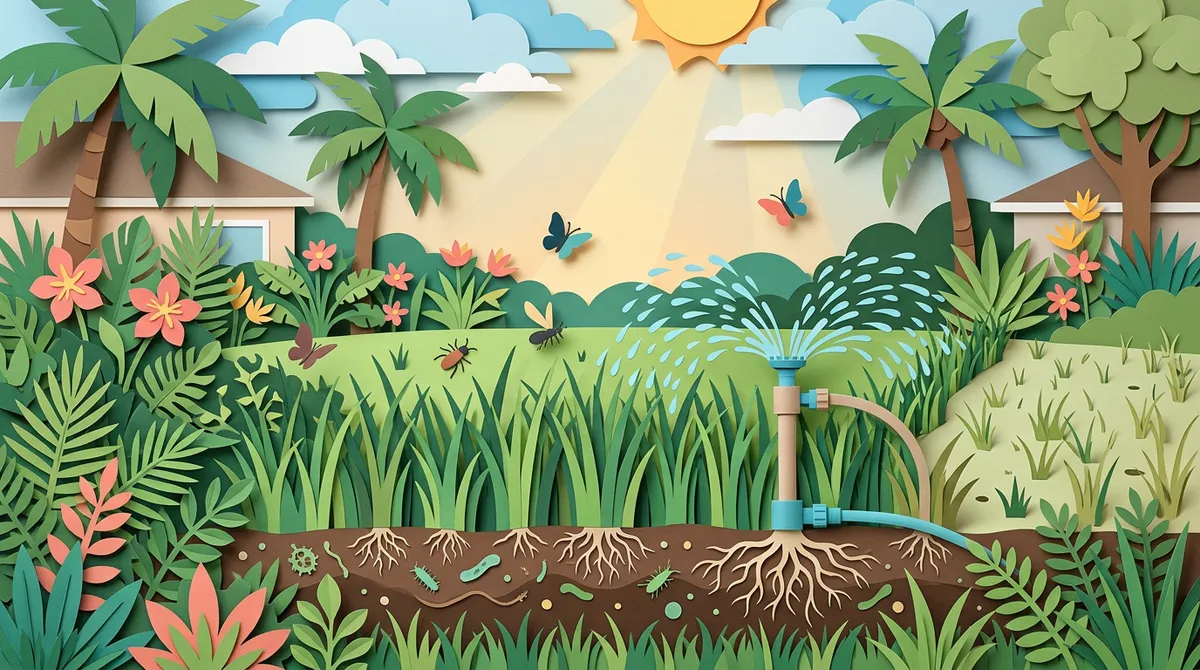
Florida’s warm climate is wonderful for outdoor living, but it also puts a lot of stress on your lawn. Heat, humidity, heavy rain, and sandy soils can drain the nutrients your grass needs. Regular grass fertilization replenishes those nutrients and helps your turf stay thick, green, and resilient.
The three main nutrients your lawn needs are nitrogen, phosphorus, and potassium. Nitrogen drives green growth and color. Phosphorus supports strong root development. Potassium helps your grass handle stress like drought and foot traffic. Getting the right balance of these nutrients is the foundation of a great lawn.
14 Grass Fertilization Tips Every Homeowner Should Know
1. Know Your Grass Type First
Florida lawns are almost always warm-season grasses. Common types include St. Augustine, Bermuda, Zoysia, Centipede, and Bahia. Each one has different fertilization needs. St. Augustine, for example, loves nitrogen-rich feeding during summer. Knowing your grass type helps you choose the right product and schedule.
2. Test Your Soil Before You Start
Soil testing is a smart first step. A simple test tells you exactly which nutrients your soil lacks. This way, you are not guessing or wasting money on the wrong fertilizer. Many local extension offices in Hillsborough County offer affordable soil testing services.
3. Fertilize During the Growing Season
Warm-season grasses grow most actively from late spring through summer. This is your prime window for grass fertilization. A good schedule for Florida lawns typically includes applications in May, July, and September. Fertilizing during active growth means your grass can actually absorb and use the nutrients effectively.
4. Choose the Right Fertilizer Formula
The numbers on a fertilizer bag represent nitrogen, phosphorus, and potassium (N-P-K). For warm-season grasses, a nitrogen-heavy formula works well during the growing season. Many lawn care professionals start the spring with a stress blend like 7-0-20, then switch to higher nitrogen formulas as summer heat kicks in.
| Grass Type | Best Season to Fertilize | Recommended Formula |
|---|---|---|
| St. Augustine | Late Spring – Summer | High Nitrogen (e.g., 24-0-6) |
| Bermuda | Late Spring – Summer | High Nitrogen + Potassium |
| Zoysia | Spring – Early Fall | Balanced N-P-K |
| Bahia | Spring – Summer | Low Nitrogen, High Potassium |
| Centipede | Late Spring Only | Low Nitrogen (risk of over-feeding) |
5. Pick Granular Fertilizer for Easy Application
Granular fertilizers are the most popular choice for home lawns. They are easy to spread, last longer in the soil, and release nutrients gradually. They also tend to be more forgiving than liquid options when it comes to application mistakes. For most Hillsborough County homeowners, granular is the way to go.
6. Use a Spreader for Even Coverage
Uneven fertilizer application leads to patchy, striped grass. A broadcast or rotary spreader helps you distribute fertilizer evenly across your lawn. Always calibrate your spreader according to the product label before you begin. Make overlapping passes in two perpendicular directions for the most consistent coverage.
7. Apply on Dry Grass
Always apply granular fertilizer to dry grass. Wet grass causes granules to stick to the blades, which can cause fertilizer burn. Wait for a dry morning and apply before the heat of the day. After application, water your lawn lightly to help the granules settle into the soil.
8. Check the Weather Before Applying
Timing matters when it comes to grass fertilization. Apply when no heavy rain is expected for at least four hours. Heavy rain right after application can wash fertilizer off your lawn and into storm drains, wasting your investment and harming local waterways. Morning applications in mild temperatures between 50 and 85°F work best.
| Condition | Ideal for Fertilizing? | Notes |
|---|---|---|
| Dry grass, mild morning | ✅ Yes | Best conditions overall |
| Heavy rain expected | ❌ No | Nutrients will wash away |
| Extreme heat (above 90°F) | ❌ No | Risk of fertilizer burn |
| Wet grass | ❌ No | Granules stick to blades |
| Light breeze, overcast | ✅ Yes | Comfortable and effective |
9. Split Your Applications for Better Results
Instead of dumping a large amount of fertilizer all at once, split your dose into two half-applications spaced a few weeks apart. This strategy gives your lawn a steady supply of nutrients without overwhelming it. It also reduces the risk of fertilizer burn and runoff. Think of it like feeding your lawn smaller, more frequent meals.
10. Mow Before You Fertilize
Mow your lawn two to three days before applying fertilizer. Short grass allows fertilizer to reach the soil more easily. Avoid mowing for a day or two after fertilizing to let the nutrients absorb properly. This simple step makes a big difference in how well your grass responds to treatment.
11. Aerate for Better Nutrient Absorption
Compacted soil blocks fertilizer from reaching the root zone. Aerating your lawn before fertilizing punches small holes in the soil, allowing nutrients, water, and air to penetrate deeper. This is especially helpful in Florida where clay-heavy or sandy soils are common. Aeration combined with fertilization is a winning combo for a lush, healthy lawn.
12. Consider Organic Fertilizers for Eco-Friendly Feeding
If you care about the environment (and we know you do!), organic fertilizers are a great option. They release nutrients slowly, reduce the risk of runoff, and improve soil health over time. Many high-income families and eco-conscious homeowners in Hillsborough County are making the switch to organic lawn care products in 2026. They are gentle on your lawn and on the planet.
| Fertilizer Type | Release Speed | Environmental Impact | Best For |
|---|---|---|---|
| Synthetic Granular | Fast to Moderate | Moderate (runoff risk) | Quick green-up |
| Slow-Release Synthetic | Slow | Lower runoff risk | Long-lasting results |
| Organic | Slow | Low, eco-friendly | Soil health improvement |
| Liquid | Very Fast | Higher runoff risk | Quick correction of deficiencies |
13. Watch for Signs of Over-Fertilization
More is not always better. Over-fertilizing can burn your grass, leaving yellow or brown streaks and patches. Signs of fertilizer burn include yellowing tips, wilting, and crusty patches on your lawn. If you notice these signs, water your lawn deeply right away to dilute the excess nutrients. Stick to label instructions and do not skip the soil test.
Here are the most common signs of fertilizer burn to watch for:
- Yellow or brown streaks across the lawn
- Grass blades with scorched, dried-out tips
- Patchy, uneven coloring after application
- Wilting or thinning grass in spots where more fertilizer was applied
- Crusty or hardened soil near fertilized areas
14. Schedule Professional Fertilization for Consistent Results
Sometimes the best tip is simply knowing when to call in the pros. A professional fertilizing service takes the guesswork out of the process. Professionals know exactly what your lawn needs, when to apply it, and how to do it safely. If you are a busy homeowner, an elderly resident, or a commercial property manager, professional service saves you time and delivers better results every season.
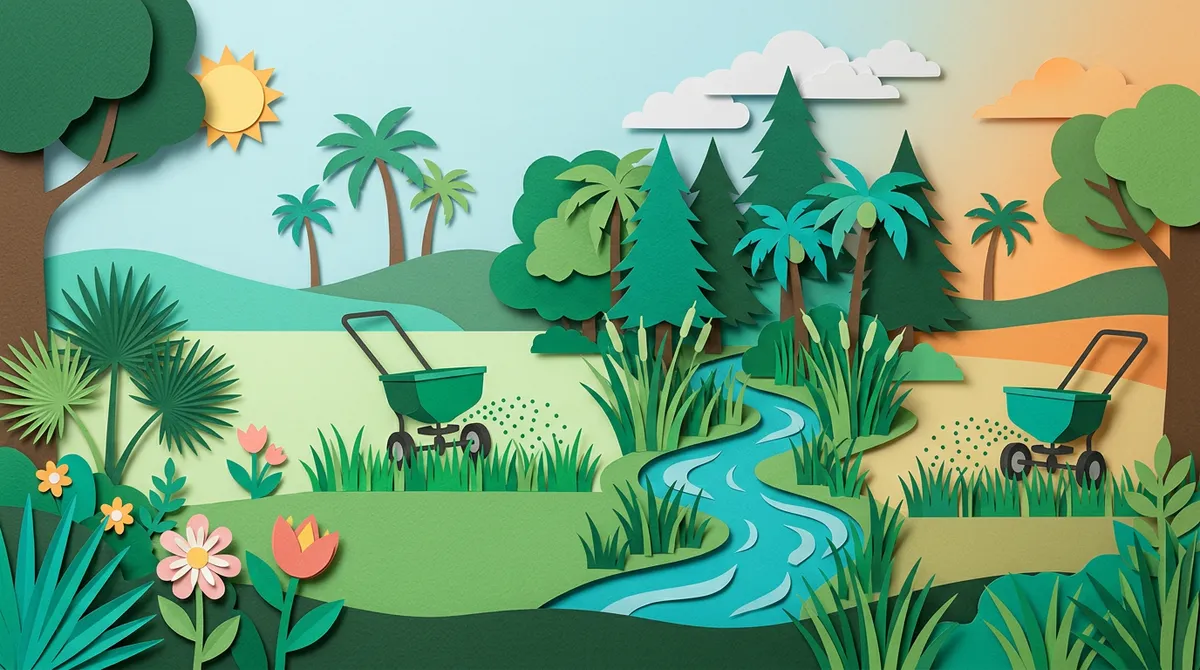
Fertilization Schedule for Florida Warm-Season Lawns
Not sure when to fertilize throughout the year? Here is a simple step-by-step schedule designed for warm-season grasses common in Hillsborough County:
- Early Spring (March–April): Apply a stress blend fertilizer like 7-0-20 to strengthen roots before the heat arrives.
- Late Spring (May): Switch to a higher nitrogen formula to fuel rapid summer growth.
- Midsummer (July): Apply a balanced feed to maintain color and thickness during peak heat.
- Early Fall (September): Give your lawn a final boost before growth slows down for the season.
- Late Fall/Winter: Skip fertilization or use a light potassium feed only if needed for winter stress protection.
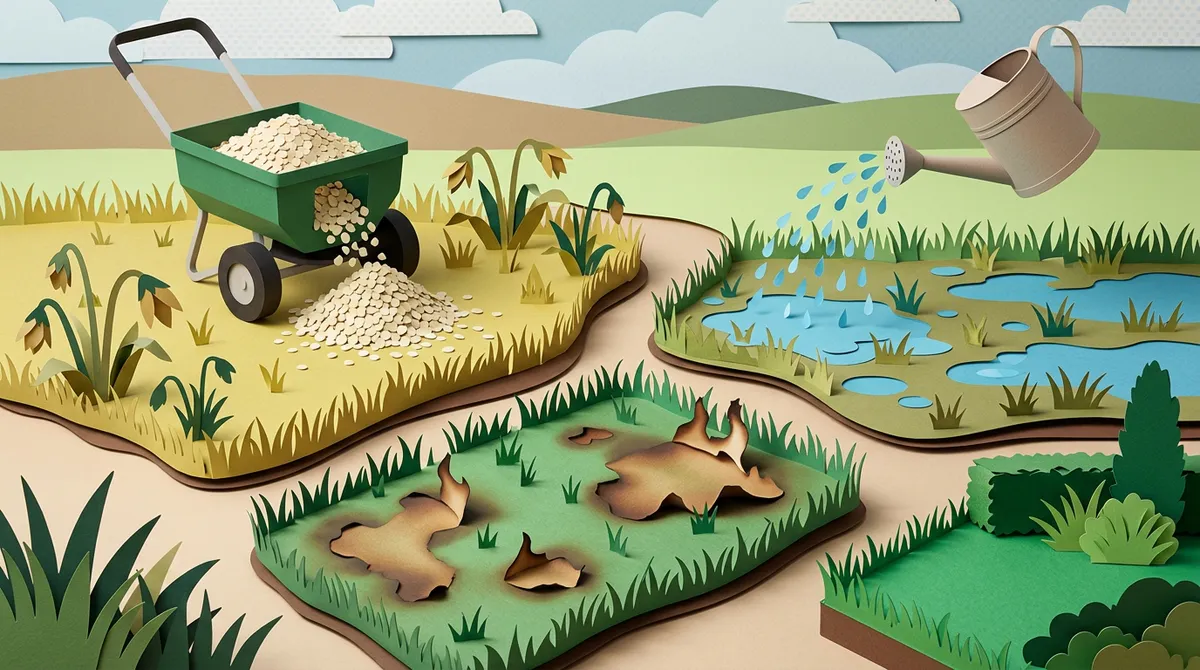
Common Grass Fertilization Mistakes to Avoid
Even well-meaning homeowners make mistakes with fertilization. Here are the most common ones to watch out for:
- Fertilizing during a drought without proper irrigation
- Skipping soil tests and using the wrong product
- Applying too much fertilizer in one go
- Fertilizing during extreme heat or right before heavy rain
- Using a spreader that has not been calibrated properly
- Fertilizing grass that is stressed, dormant, or newly planted
How AQ Total Lawn Service Helps Hillsborough County Homeowners
If all of this feels like a lot to manage, you are not alone. Grass fertilization is a science, and getting it right takes experience, the right products, and consistent timing. That is where AQ Total Lawn Service comes in. With over 15 years of experience serving Riverview and greater Hillsborough County, our team knows exactly what Florida lawns need to thrive.
From customized fertilization programs to full landscaping services, we handle everything so you do not have to. Whether you are a new homeowner establishing your first lawn or a property manager maintaining a commercial space, we have a plan that fits your needs and budget. Check out our reviews on Google to see what our happy customers across Hillsborough County are saying!
We also offer a full range of lawn care services including mowing, edging, weed control, sod installation, tree trimming, and power washing. We are your one-stop partner for a beautiful, healthy outdoor space all year long.
Quick Reference: Grass Fertilization Do’s and Don’ts
Need a quick summary before you head outside? Here is a handy list to keep your fertilization on track:
Do’s:
- Test your soil before choosing a fertilizer
- Apply during active grass growth in warm months
- Use a calibrated spreader for even coverage
- Water lightly after granular application
- Split large applications into two smaller doses
Don’ts:
- Don’t fertilize in extreme heat or right before heavy rain
- Don’t skip reading the product label instructions
- Don’t over-apply thinking more will work faster
- Don’t fertilize dormant or stressed grass
- Don’t ignore signs of fertilizer burn if they appear
Get Your Florida Lawn Looking Its Best This Year
Grass fertilization does not have to be complicated. With the right timing, the right products, and a little consistency, your lawn can look lush, green, and beautiful all year long. Florida’s warm climate is actually a huge advantage for growing thick, healthy turf — you just need to feed it properly.
Whether you want to do it yourself or hand the job to a trusted local team, the tips in this guide will set you up for success in 2026. For more expert advice and helpful resources on Florida lawn care, the history and science of lawn maintenance is a fascinating place to start learning.
Ready to give your lawn the expert care it deserves? Our friendly team at AQ Total Lawn Service is here to help with personalized fertilization plans, seasonal treatments, and everything in between. Get in touch with our team today and let’s create a lawn care plan that works perfectly for your home or property. You can also call us for a free estimate at (813) 843-3979 — we would love to hear from you!
FAQs
Q: When is the best time to fertilize my lawn in Florida?
A: Great question! For warm-season grasses common in Florida, the best time to fertilize is during active growth — typically from late spring through early fall. Aim for applications in May, July, and September for the most effective results. Avoid fertilizing during extreme heat or cold weather when your grass is stressed or dormant.
Q: How often should I fertilize my warm-season grass in Hillsborough County?
A: Most warm-season lawns in Hillsborough County benefit from three to four fertilizer applications per year. A general schedule of spring, midsummer, and early fall works really well for grasses like St. Augustine, Bermuda, and Zoysia. Your soil type and grass condition may call for slight adjustments, so a soil test is always a helpful starting point!
Q: Can I over-fertilize my lawn, and what does fertilizer burn look like?
A: Yes, you absolutely can over-fertilize, and it is more common than you might think! Fertilizer burn shows up as yellow or brown streaks, scorched grass tips, and patchy discoloration across your lawn. If you spot these signs, water your lawn deeply right away to dilute the excess nutrients. Sticking to the recommended rates on your fertilizer label keeps your grass safe and healthy.
Q: What is the difference between organic and synthetic fertilizers for grass?
A: Organic fertilizers come from natural sources and release nutrients slowly over time, which is great for improving soil health and reducing environmental impact. Synthetic fertilizers deliver nutrients faster and are great for a quick green-up. Both can work well depending on your goals — many eco-conscious Florida homeowners are choosing organic options in 2026 for a more sustainable lawn care approach.
Q: Should I hire a professional for grass fertilization or do it myself?
A: Both options can work, but hiring a professional takes all the guesswork out of the process! A professional lawn care team knows your local soil conditions, the best products for Florida grass types, and exactly when to apply for maximum results. If you are short on time or want consistent, beautiful results without the effort, professional fertilization is a smart and affordable investment.