Key Takeaways
-
Apply pre-emergent herbicides when soil temperatures reach 50-55°F (typically May 1-15 in Florida) to prevent crabgrass germination; missing this window allows seeds to sprout.
-
Post-emergent treatments require 2-4 applications spaced 10-14 days apart at temperatures between 80-90°F for optimal effectiveness without stressing your lawn.
-
Wrong herbicide selection or improper application can damage or kill your grass; professionals know which products are safe for specific grass types like St. Augustine, Bermudagrass, or Zoysia.
-
Combine herbicide treatments with cultural practices (proper mowing height, regular fertilization, deep watering, aeration) for dramatically better long-term results than chemicals alone.
-
Professional weed control saves significant time and delivers consistent results, especially for large properties, commercial sites, elderly homeowners, or severe infestations where DIY methods often fail.
-
Organic methods like hand-pulling and corn gluten meal work well for lawn maintenance but rarely resolve heavy or established weed problems quickly enough without professional intervention.
Your lawn is your home’s first impression. But weeds have a way of crashing the party uninvited. Whether you’re a busy parent in Riverview, Florida, an elderly homeowner who can’t kneel in the garden anymore, or a commercial property manager keeping curb appeal sharp, weed control is always on the to-do list. The big question? Should you handle it yourself or hire a professional lawn care service?
Both options have real advantages and real drawbacks. This article breaks down DIY versus professional weed control honestly and clearly. By the end, you’ll know exactly which approach fits your lawn, your lifestyle, and your goals. Let’s dig in — pun fully intended.
What Is Weed Control in Lawn Care?
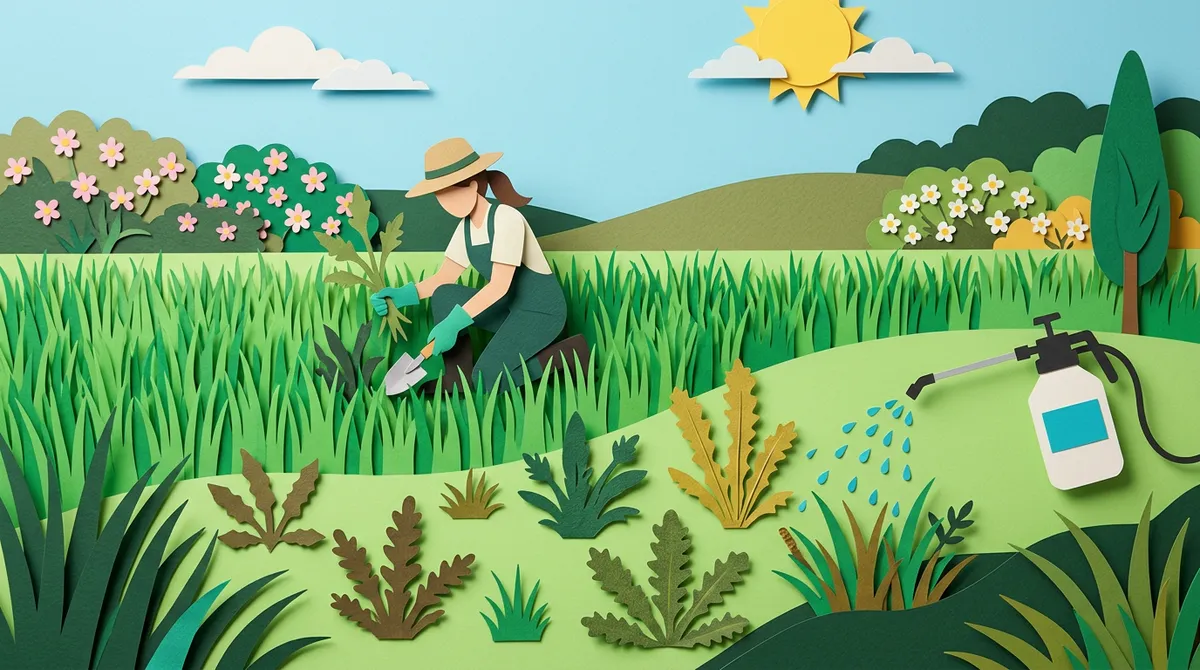
Weed control is the process of preventing, managing, and eliminating unwanted plants from your lawn. Weeds compete with your grass for water, sunlight, and nutrients. Left unchecked, they can take over a healthy yard surprisingly fast.
There are two main strategies professionals and homeowners both use. Pre-emergent herbicides stop weed seeds from germinating. Post-emergent herbicides target weeds that are already growing. Combining both — alongside strong lawn care habits — gives you the best results.
Explore all the lawn care services available to Hillsborough County homeowners and businesses.

DIY Weed Control: The Pros and Cons
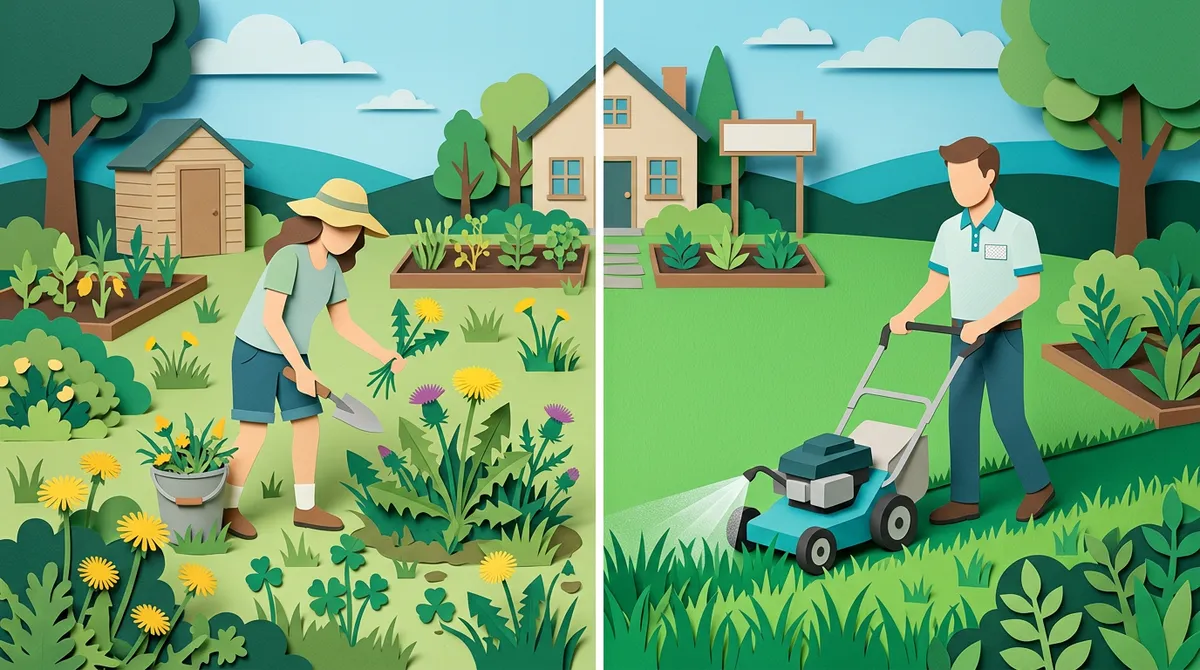
Doing it yourself has obvious appeal. You’re in control of the schedule, the products, and the cost. For handy homeowners with some free time, DIY can absolutely work.
Advantages of DIY Weed Control
- Lower upfront costs on materials
- Full control over which products you use
- Flexible scheduling — treat on your own timeline
- Satisfaction of maintaining your own property
- Immediate response when you spot a new weed
Disadvantages of DIY Weed Control
- Requires significant time and physical effort
- Easy to misidentify weed species and use the wrong product
- Improper application can damage your grass
- Herbicide timing is tricky and easy to get wrong
- Results can be inconsistent without professional knowledge
- Recurring weeds are frustrating and demoralizing
DIY weed control works best when you’re dealing with a small, manageable lawn and have experience identifying common weeds. For larger properties or persistent infestations, the learning curve gets steep fast.

Professional Weed Control: The Pros and Cons
Hiring a professional lawn care service takes the guesswork — and the grunt work — off your plate. Professionals bring knowledge, equipment, and experience that most homeowners simply don’t have.
Advantages of Professional Weed Control
- Expert identification of weed species for targeted treatment
- Correct herbicide selection based on your grass type
- Treatments applied at the right time and temperature
- Consistent, scheduled applications for long-term control
- Saves you hours of physical labor
- Better results with fewer product applications
Disadvantages of Professional Weed Control
- Requires scheduling coordination
- You’re not doing it yourself (for those who enjoy yard work)
For busy homeowners aged 30–50, elderly property owners, and commercial property managers, professional weed control is usually the clear winner. The time savings and consistent results are hard to argue with. Check out our customer testimonials to see what our neighbors are saying.
Side-by-Side Comparison: DIY vs. Professional Weed Control
| Factor | DIY Weed Control | Professional Weed Control |
|---|---|---|
| Cost | Lower upfront | Affordable long-term value |
| Time Required | High — hours per treatment | Low — zero effort for you |
| Weed Identification | Requires research | Handled by trained experts |
| Herbicide Selection | Trial and error | Targeted and precise |
| Application Timing | Often inconsistent | Scheduled for maximum effect |
| Risk of Grass Damage | Moderate to high | Very low |
| Long-Term Results | Variable | Consistently excellent |
| Best For | Small lawns, light weed issues | All property sizes and types |
When Timing Matters Most: Herbicide Application Windows
One of the biggest mistakes homeowners make is applying weed control treatments at the wrong time. Timing is everything in effective weed management.
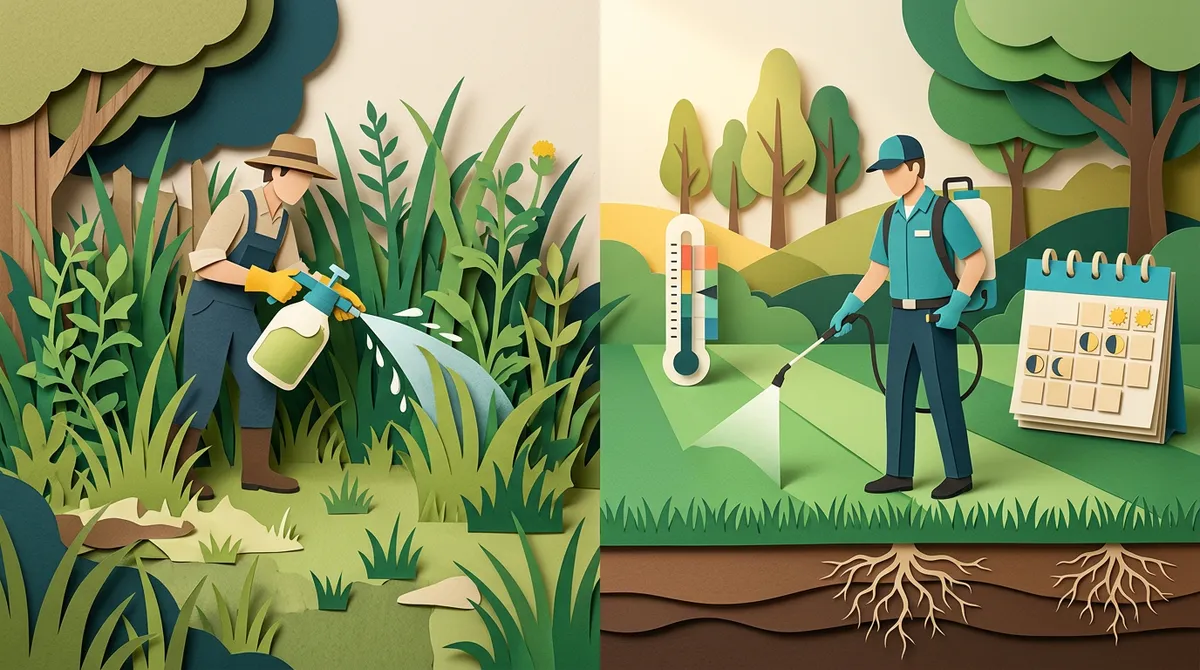
Pre-emergent herbicides should be applied when soil temperatures reach 50–55°F — typically between May 1 and May 15 in Florida’s climate. Miss that window and crabgrass seeds have already started germinating. Post-emergent treatments for broadleaf weeds work best from late April through early June, with fall applications (September 15 – October 15) preferred for perennial weeds because the herbicide penetrates deeper into the root system.
Effective post-emergent control also requires 2–4 spray applications spaced 10–14 days apart. Ideal air temperatures for application are between 80°F and 90°F to minimize stress on your lawn. That’s a lot of variables to track — which is one major reason many homeowners find professional services worth every penny.
| Treatment Type | Best Timing | Target Weeds | Notes |
|---|---|---|---|
| Pre-Emergent Herbicide | May 1–15 / 50–55°F soil temp | Crabgrass, annual weeds | Apply before germination |
| Post-Emergent (Broadleaf) | Late April – Early June | Dandelions, clover, plantain | Young weeds respond best |
| Post-Emergent (Perennial) | Sept 15 – Oct 15 | Perennial broadleaf weeds | Fall penetrates roots better |
| Winter Grassy Weeds (Kerb) | Pre-winter season | Annual bluegrass, ryegrass | Needs ½ inch water in 24–48 hrs |
The Role of Cultural Practices in Weed Control
Herbicides alone won’t solve a weed problem permanently. The healthiest lawns are ones where the grass itself is strong enough to crowd out weeds naturally. That means your everyday lawn care habits matter just as much as any chemical treatment.
Top Cultural Practices That Suppress Weeds
- Mow at the right height. Taller grass shades the soil, making it harder for weed seeds to germinate. Never cut more than one-third of the blade at a time.
- Fertilize on schedule. A well-fed lawn grows thick and competitive. Thin, nutrient-starved grass is an open invitation for weeds. Learn more about our fertilizing services to keep your turf in top shape.
- Water deeply but infrequently. Deep watering encourages strong root growth. Shallow, frequent watering promotes surface weed germination.
- Aerate and overseed. Filling bare patches removes prime real estate for weeds. Dense turf is your best natural defense.
- Use mulch in beds. Mulch blocks sunlight from reaching weed seeds in garden beds and landscaped areas. Our landscaping services include professional mulch installation.
When cultural practices are combined with a professional weed control program, the results are dramatically better than chemical-only approaches. It’s a complete system, not a single fix.
Herbicide Types: What Professionals Know That You Might Not
Walk into any hardware store and the herbicide aisle can feel overwhelming. Products like 2,4-D, Banvel, MCPP, and others target specific weeds in specific grass types. Using the wrong one can actually damage or kill the turf you’re trying to protect.
For example, selective herbicides like 2,4-D, Banvel, and MCPP effectively target broadleaf weeds without harming most common grasses. Products like Kerb specifically control winter grassy weeds in certain grass varieties but require proper watering within 24–48 hours for root absorption. Applying these incorrectly leads to patchy, damaged lawns that take months to recover.
Professionals understand which products are safe for your specific turf — whether it’s St. Augustine, Bermudagrass, or Zoysia — and apply them at the right rates. That expertise is hard to replicate with a YouTube tutorial and a trip to the garden center.
What a Professional Weed Control Plan Looks Like
A solid professional weed control program isn’t just spraying and hoping for the best. It’s a customized, year-round strategy built around your lawn’s specific needs, weed species, and local conditions.
- Lawn assessment. A professional identifies the weed species present and evaluates grass health, soil condition, and irrigation patterns.
- Pre-emergent treatment. Applied at the right soil temperature to stop weeds before they start.
- Post-emergent treatment. Targeted applications for active weeds, spaced 10–14 days apart as needed.
- Fertilization support. Paired with a fertilization schedule to strengthen turf and reduce future weed pressure.
- Follow-up monitoring. Ongoing assessments to catch new weed growth early and adjust the plan seasonally.
At AQ Total Lawn Service, we’ve built our reputation on exactly this kind of thorough, customized lawn care. With over 15 years of experience serving Hillsborough County, we know Florida lawns inside and out. Visit us on Google to read reviews from your neighbors and see why so many homeowners trust us season after season.
Special Situations: When You Really Need a Pro
Some situations make professional weed control not just helpful, but genuinely necessary. Here’s a quick guide:
| Situation | DIY Feasible? | Professional Recommended? |
|---|---|---|
| Small lawn, light weed pressure | Yes | Optional |
| Large residential property | Difficult | Strongly recommended |
| Commercial or HOA property | Not practical | Essential |
| Elderly or physically limited homeowner | Not safe | Essential |
| Severe or recurring weed infestation | Unlikely to succeed | Strongly recommended |
| New sod installation | Risky | Strongly recommended |
New home buyers especially benefit from professional weed control right from the start. Protecting a fresh sod installation with the right pre-emergent program prevents costly re-establishment down the road. Getting it right the first time is always easier than fixing a weed-overtaken lawn later.
We also appreciate the trust local partners like Dental Theory have shown in recommending reliable local businesses across Hillsborough County — because great communities are built on great local services working together.
Organic Weed Control: Is It Worth Considering?
For eco-conscious homeowners, organic methods are worth understanding. Hand-pulling weeds with tools like dandelion diggers removes the entire root system. Corn gluten meal acts as a natural pre-emergent. Mulching beds blocks germination without any chemicals at all.
The honest truth? Organic methods work well for maintenance once a lawn is already in good shape. But they rarely catch up to a heavy or established weed problem fast enough. Combining organic cultural practices with strategic professional herbicide applications tends to give you the best of both worlds — a healthy, beautiful lawn with minimal chemical use. Learn more about what’s possible on our about page.
The lawn mower you use also plays a role — keeping blades sharp ensures clean cuts that promote grass health rather than creating stress wounds that invite weed growth and disease.
The Verdict: Which Really Wins?
For homeowners with small, manageable lawns and plenty of free time, DIY weed control can work reasonably well. But for most Hillsborough County homeowners and property managers, professional weed control delivers better results, saves enormous time, and protects your lawn investment more reliably.
The key isn’t just killing weeds — it’s keeping them from coming back. That requires the right products, the right timing, and consistent follow-through. That’s exactly what a professional lawn care program provides.
Ready to enjoy a weed-free lawn without lifting a finger? Get in touch with our team today for a customized weed control plan tailored to your property. Or give us a call — we’d love to talk lawn care with you. Call for a free estimate at (813) 843-3979 and let’s get your lawn looking its best this season.
FAQs
Q: When is the best time to apply weed control in Florida?
A: Great question! In Florida, pre-emergent herbicides work best when soil temperatures hit 50–55°F, typically around May 1–15. For broadleaf post-emergent treatments, late April through early June is ideal, with fall applications in September and October being especially effective for perennial weeds.
Q: How many times do I need to apply post-emergent weed killer?
A: For the best results, most lawns need 2–4 post-emergent applications spaced 10–14 days apart. Applying treatments when temperatures are between 80°F and 90°F also helps minimize stress on your grass while maximizing weed control effectiveness.
Q: What cultural practices help prevent weeds from growing in my lawn?
A: Healthy grass is your best weed defense! Mowing at the right height, fertilizing on a regular schedule, watering deeply but infrequently, and filling bare patches all help your lawn grow thick and crowd out weeds naturally. Pairing these habits with professional treatments gives you outstanding results.
Q: Are organic weed control methods effective for Florida lawns?
A: Organic methods like hand-pulling, corn gluten meal, and mulching work well for maintaining a lawn that’s already in good shape. However, for heavy or persistent weed problems, combining organic cultural practices with targeted professional herbicide applications tends to give you the best, longest-lasting outcome.
Q: Can herbicides damage my grass if applied incorrectly?
A: Absolutely — using the wrong herbicide or applying it at the wrong rate can damage or even kill your turf. That’s why professional application is so valuable! Trained lawn care experts know which products are safe for your specific grass type, whether it’s St. Augustine, Bermudagrass, or Zoysia.