Key Takeaways
-
A dead or diseased tree can spread disease to healthy plants, block sunlight, and hog nutrients from your lawn, making removal essential for overall yard health and ecosystem protection.
-
Nine clear warning signs indicate tree removal is needed: dead/dying trees, trunk damage, dangerous leaning, root damage to property, disease, excessive shade, storm damage, pest infestations, and proximity to homes or power lines.
-
Tree removal requires professional assessment because some problems are treatable with trimming while others demand full removal; professionals can determine the best action based on tree health and safety risks.
-
After tree removal, a complete restoration process includes stump grinding, debris cleanup, sod installation or overseeding, soil fertilization, and landscape replanning to restore your yard to optimal condition.
-
Professional tree removal is critical before Florida's storm season since dead or damaged trees are far more likely to fall during high winds and heavy rain, posing immediate safety threats to homes and families.
-
Eco-friendly tree care practices in 2026 prioritize preservation when possible, including health assessments before removal, organic disease treatments, mulching debris, and replanting with native Florida species.
Your yard tells a story. Sometimes that story includes a tree that’s seen better days. If you’re a homeowner in Riverview, Florida or anywhere across Hillsborough County, you’ve probably looked out your window at a tree and wondered, “Is that thing okay?” You’re not alone. Knowing when to call for professional tree removal is one of the most important parts of keeping your lawn healthy, safe, and beautiful.
Trees are wonderful. They provide shade, boost curb appeal, and add real value to your property. But a dead, diseased, or hazardous tree? That’s a different story. It can damage your lawn, threaten your home, and even become a safety risk for your family. The good news is that you don’t have to figure it out alone. In this guide, we’ll walk you through 9 clear signs that it’s time to consider tree removal — and what to do next.
Why Tree Removal Matters for Lawn Health
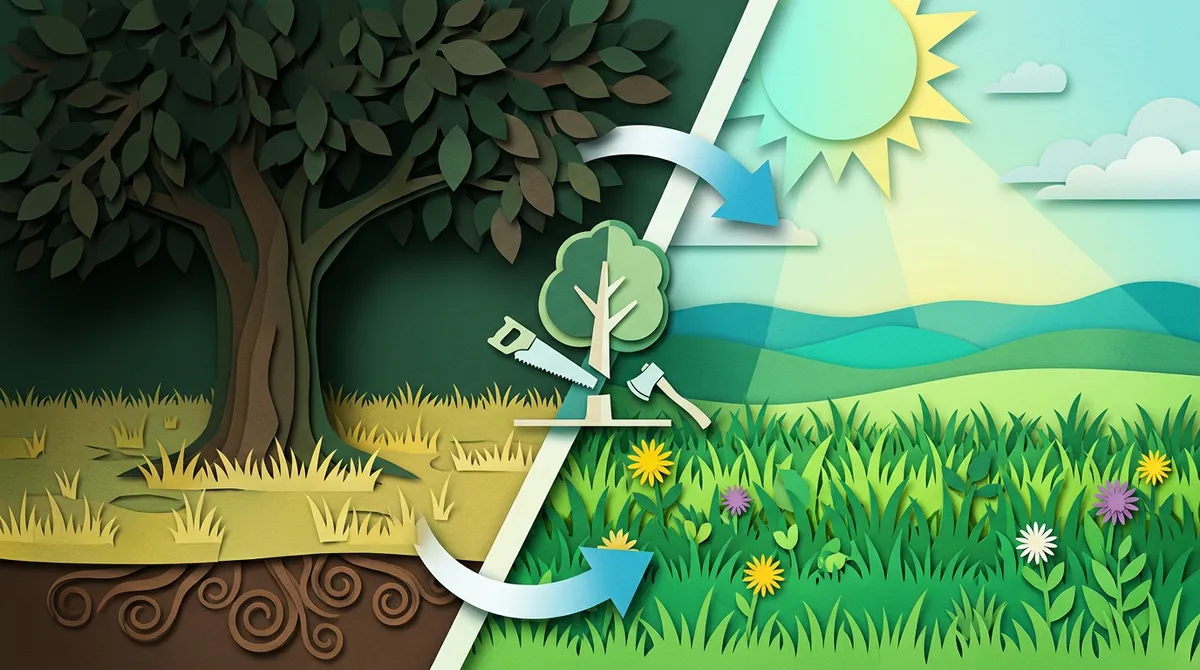
Tree removal isn’t just about cutting something down. It’s about protecting the whole ecosystem of your yard. A struggling tree can spread disease to healthy plants, hog nutrients from your grass, and block sunlight that your lawn desperately needs. Think of it like removing one bad apple to save the whole basket.
According to recent market data, the U.S. tree trimming services market is estimated at $35.6 billion in 2026, growing at 5.8% annually. That growth reflects how seriously homeowners are taking tree and lawn care. When you invest in professional tree services, you’re investing in the long-term health of your entire property.
Explore the full range of lawn and tree care services available to Hillsborough County homeowners to get started.

9 Signs It’s Time for Tree Removal
1. The Tree Is Dead or Dying
This one might seem obvious, but it’s easy to miss early on. Look for bark that’s falling off, no leaves during growing season, or brittle branches that snap easily. A dead tree doesn’t just look bad — it becomes a serious hazard. Strong Florida storms can send a dead tree crashing onto your home, car, or fence in seconds.
2. The Trunk Has Serious Damage
Deep cracks, large cavities, or fungal growth at the base of the trunk are red flags. These signs mean the tree’s structural integrity is compromised. A damaged trunk can cause the tree to fall without warning. Don’t wait for that to happen.
3. The Tree Is Leaning Dangerously
A slight lean is natural for many trees. But a sudden, dramatic lean — especially after a storm — is cause for concern. This often means the roots are weakening or the tree has already started to uproot. This is a situation where calling a professional right away is the safest move.
4. The Roots Are Causing Damage
Roots that are lifting your driveway, cracking your foundation, or invading your sewer lines are a serious problem. Sometimes the tree itself looks perfectly healthy, but what’s happening underground is causing costly damage to your property. Tree removal in this case protects your home’s structure.
5. The Tree Is Diseased
Spotted or discolored leaves, powdery coatings, oozing sap, and unusual growths are all signs of disease. Some tree diseases are treatable. Others are not. A lawn care professional can assess whether the tree can be saved or whether removal is the best option to protect nearby plants and grass.
6. The Tree Is Blocking Sunlight from Your Lawn
Grass needs sunlight to grow thick and healthy. If a large, overgrown tree is casting too much shade, your lawn will thin out and struggle. Sometimes strategic trimming can help — but other times, removal is the only real solution for restoring a lush, green lawn. Check out our landscaping services to learn how we can restore your yard after a tree is removed.
7. The Tree Suffered Storm Damage
Florida is no stranger to intense storms. High winds, lightning strikes, and heavy rain can severely damage a tree in a single night. A storm-damaged tree with broken limbs or a split trunk poses an immediate danger. Emergency tree removal is often needed to keep your family and property safe.
8. The Tree Has Pest Infestations
Termites, bark beetles, and wood-boring insects can hollow out a tree from the inside. If you notice sawdust-like material at the base of the tree, holes in the bark, or unusual insect activity, the tree may be severely compromised. Removing an infested tree also helps protect the rest of your yard from spreading pests.
9. The Tree Is Too Close to Your Home or Power Lines
Sometimes a tree simply outgrows its space. If branches are scraping your roof, growing into power lines, or hanging over your home, the risk is real — especially during storm season. Removal may be the safest long-term solution, even for an otherwise healthy tree.
Signs Comparison: Trim vs. Remove
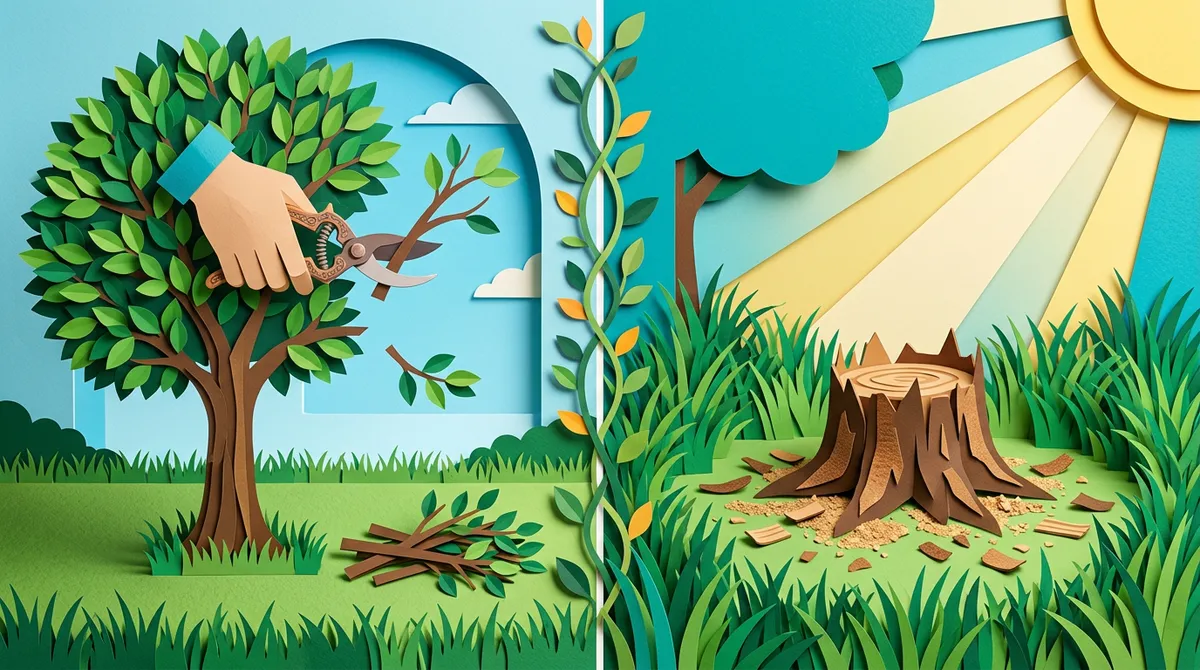
Not every problem tree needs to be removed. Here’s a quick guide to help you decide between trimming and full removal.
| Situation | Recommended Action | Urgency Level |
|---|---|---|
| Overgrown branches near roof | Trimming | Medium |
| Dead or dying tree | Removal | High |
| Minor disease on leaves | Treatment + Monitoring | Low-Medium |
| Severely damaged trunk | Removal | High |
| Storm-damaged limbs | Trimming or Removal | High |
| Root damage to foundation | Removal | High |
| Too much shade on lawn | Trimming or Removal | Medium |
What Happens After Tree Removal?
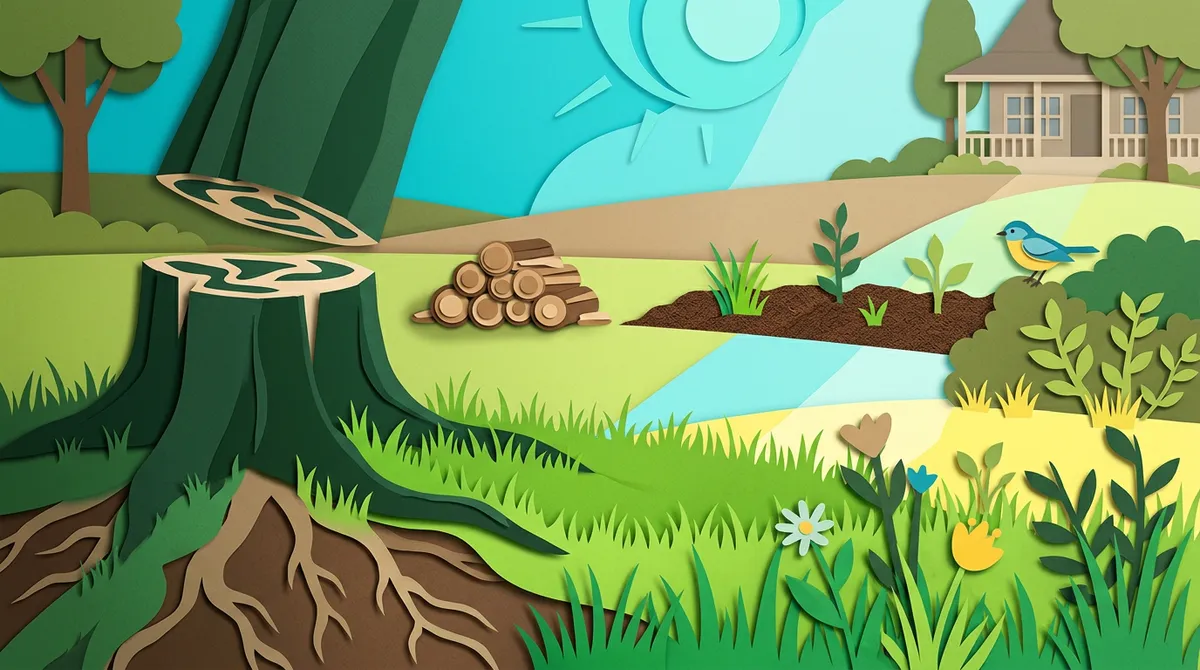
Tree removal is just the beginning. Once a tree comes down, you’ll need to think about what comes next. Here are the steps most homeowners go through after a tree is removed:
- Stump grinding — The leftover stump is ground down to prevent tripping hazards and pest activity.
- Debris cleanup — Branches, bark, and wood chips are cleared from your yard.
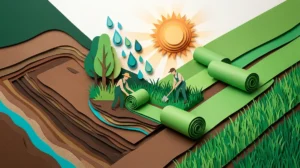
- Lawn repair — The area may need sod installation or overseeding to restore grass coverage.
- Soil treatment — Fertilizing the area helps jumpstart healthy regrowth in the affected spot.
- Landscape replanning — You may want to plant a new, better-suited tree or add landscaping features.
Our team at AQ Total Lawn Service handles everything from tree removal to lawn restoration. We make the whole process simple and stress-free for busy homeowners and property managers across Hillsborough County.
Eco-Friendly Tree Removal Practices in 2026
More homeowners and lawn care providers are embracing sustainable approaches in 2026. The industry trend is clear: preservation over removal whenever possible. Here’s what eco-conscious tree care looks like today:
- Tree health assessments before recommending removal
- Organic treatments for diseased trees when salvageable
- Mulching removed wood debris for use in garden beds
- Replanting with native Florida tree species after removal
- Using drone technology for safer, more accurate tree inspections
- Minimizing ground disturbance to protect surrounding lawn and roots
Choosing a lawn care provider that values eco-friendly practices means you’re making a smart long-term investment in your property and the environment. Learn more about our fertilizing and lawn treatment services that support healthy regrowth after tree work.
Tree Removal and Your Lawn: The Full Picture
Tree removal doesn’t happen in a vacuum. It affects your entire lawn and landscape. Here’s a breakdown of how tree removal connects to other essential lawn care services:
| Service | How It Connects to Tree Removal |
|---|---|
| Sod Installation | Restores grass in bare areas left after tree removal |
| Fertilizing | Revitalizes soil health and supports new growth |
| Weed Control | Prevents weeds from taking over the cleared area |
| Mulch Installation | Uses wood debris and protects soil moisture |
| Power Washing | Cleans driveways and walkways after debris cleanup |
| Edging and Mowing | Restores a clean, polished look to the entire yard |
Think of tree removal as one piece of a bigger lawn care puzzle. When done right and followed up with the proper services, your yard can look even better than before. Check out our power washing services to clean up after large outdoor projects.
Who Needs Tree Removal Services Most?
Tree removal is relevant for a wide range of property owners. Here’s a look at who benefits most:
- Busy homeowners — No time to monitor tree health? A professional can catch problems before they become emergencies.
- Elderly property owners — Physical limitations make tree monitoring and maintenance difficult. Professional services provide peace of mind.
- New home buyers — Older properties often have aging trees that need assessment right away.
- Commercial property managers — Hazardous trees near parking lots, walkways, or buildings are a liability risk.
- Families with children or pets — Falling branches or unstable trees pose a real safety threat in active outdoor spaces.
No matter which category you fall into, having a trusted lawn care partner makes all the difference. Read what our customers say about our tree and lawn care work across Hillsborough County.
Choosing the Right Tree Removal Professional
Not all tree removal providers are the same. Here’s what to look for when hiring a professional:
- Experience and licensing — Look for a company with years of hands-on experience and proper credentials.
- Comprehensive services — A provider who handles both tree removal and lawn restoration saves you time and money.
- Safety practices — Ask about their safety protocols, especially for large or storm-damaged trees.
- Customer reviews — Real reviews from local homeowners tell you a lot about reliability and quality.
- Cleanup included — Make sure debris removal and site cleanup are part of the service.
With over 15 years of experience serving Hillsborough County, AQ Total Lawn Service brings the expertise and care that your property deserves. We’re proud to be a trusted partner for homeowners and commercial clients from Riverview to Tampa and beyond. You can also visit our Google Business Profile to see reviews from your neighbors.
Tree Removal and the Bigger Lawn Care Market
It’s worth knowing that tree care is a booming industry. The global tree and lawn care service market was valued at nearly $2 billion in 2025 and is projected to reach $2.56 billion by 2034. The landscaping services market as a whole is expected to grow to $741 billion in 2026, driven by homeowner demand and commercial real estate growth.
This growth reflects how much people value professional outdoor maintenance. Just like you’d schedule an annual HVAC inspection or dental checkup, scheduling regular tree and lawn care is simply smart homeownership. The modern lawn care industry has evolved to offer integrated services that address everything from mowing to major tree work, all in one place.
Ready to Protect Your Property?
If you spotted any of the 9 signs above in your yard, don’t wait. Tree problems rarely fix themselves — and in Florida’s stormy climate, a hazardous tree can become an emergency overnight. Getting a professional assessment is the smartest first step you can take.
Whether you need a full tree removal, routine tree trimming, lawn restoration, or a complete yard makeover, our team is ready to help. Reach out to our team today to schedule your property assessment — or give us a call directly at 813-843-3979 for a free estimate. Your lawn deserves the best, and we’re here to deliver it.
FAQs
Q: When should I consider tree removal instead of tree trimming?
A: Great question! If a tree is dead, severely diseased, has a damaged trunk, or poses a danger to your home or family, removal is usually the right call. For overgrown but healthy trees, trimming is often all you need to keep things looking great.
Q: How does tree removal affect the rest of my lawn?
A: Removing a tree can actually open up your lawn to more sunlight and nutrients — which is wonderful news for your grass! After removal, services like sod installation, fertilizing, and weed control help restore and revitalize the area so your yard looks its best.
Q: Is tree removal safe to do during Florida’s storm season?
A: Actually, having hazardous trees removed BEFORE storm season is the safest approach. Dead or damaged trees are far more likely to fall during high winds and heavy rain. Our team is also available for emergency storm response when unexpected damage occurs.
Q: Do I need a permit for tree removal in Hillsborough County?
A: In many cases, yes — Hillsborough County has specific rules about removing certain protected or heritage trees. A professional lawn care provider familiar with local regulations can help guide you through the process and handle the paperwork smoothly.
Q: What happens to the stump after tree removal?
A: After tree removal, the stump is typically ground down using a stump grinder — a process called stump grinding. This removes the visible stump and helps prevent pests, tripping hazards, and regrowth so your lawn looks clean and polished.